

Wash Bedding, Clothing, and Other Fabrics
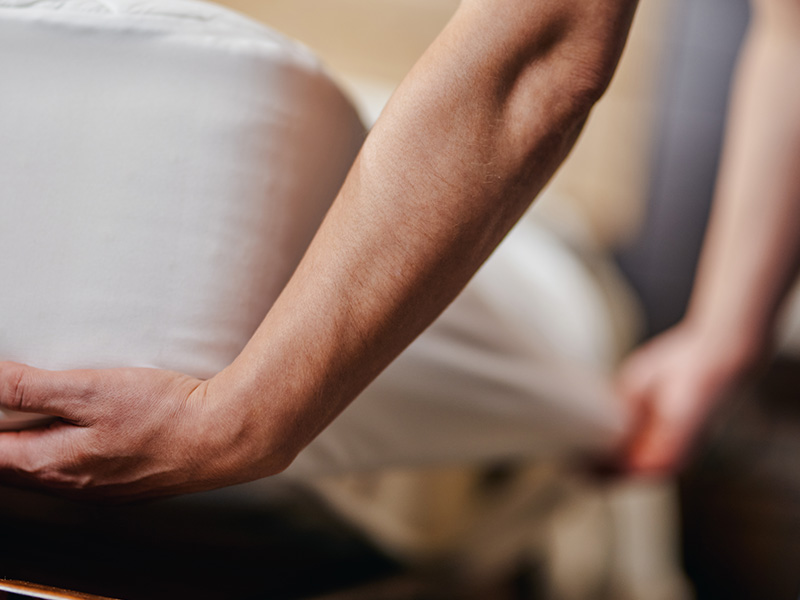
Start by stripping all beds in the affected rooms. Remove sheets, pillowcases, mattress pads, blankets, and other bedding.
All clothing and fabrics must also be laundered or professionally dry-cleaned before being brought back into the home.
When laundering items, use a hot-water cycle with detergent, followed by a dryer cycle. If you're taking belongings to an off-site laundry facility, they must be cleaned before being returned to your home.
Other important preparations include:
- Remove drapes and curtains from affected rooms and have them laundered, dry-cleaned, or replaced.
- Place belongings from affected areas into plastic bags or totes as you prepare the rooms for treatment.
- Keep items contained until they're ready to be inspected and returned to their usual locations.
Empty Closets, Dressers, and Other Furniture
Bed bugs don't limit themselves to mattresses. They can also hide around furniture joints, drawers, and belongings stored near sleeping areas.
Before treatment, completely empty all bedroom closets, dresser drawers, nightstands, dressing tables, and other furniture in the affected rooms.
Place the contents into plastic bags or totes. Once the furniture is empty, remove the drawers and stand them on end so our technician can access areas that would otherwise be difficult to inspect or treat.
Prepare Mattresses, Box Springs, and Upholstered Furniture
Beds and upholstered furniture need special attention because they provide numerous hiding places for bed bugs.
Mattresses: Stand all mattresses on end to allow access for inspection and treatment.
Box springs: If you're keeping your box spring, remove the thin fabric covering, sometimes called cheesecloth, from its underside. This is necessary to allow proper inspection and treatment.
Couches and chairs: Remove all cushions from upholstered furniture and turn couches and chairs upside down for treatment. Vacuum all furniture thoroughly, paying attention to seams and other areas where bed bugs may hide.
Some belongings may be too damaged or heavily infested to keep. Discarding items with ripped or torn materials, or those with severe bed bug activity, may be necessary.
Vacuum All Infested Rooms Thoroughly
Vacuuming is another important part of preparing your home for treatment. Don't limit your cleaning to floors and carpets. Bed bugs may be hiding in furniture, storage areas, and other locations throughout an affected room.
Thoroughly vacuum:
- Floors and carpets
- Mattresses and box springs
- Couches and chairs
- Closets and closet shelves
- Shoes
- Inside dresser drawers
- Inside bedside table drawers
After vacuuming, remove the vacuum bag, seal it inside a plastic bag, and discard it.
Vacuuming helps remove bed bugs and debris from accessible areas, but it doesn't replace professional treatment.
Remove Clutter From Affected Rooms
Clutter can make it difficult for our technicians to reach areas where bed bugs may be hiding. Before your appointment, remove unnecessary items from the rooms being treated.
This includes cardboard boxes, shoe boxes, paper and plastic bags, old newspapers, stacks of magazines, and similar items.
Place discarded materials into sealed containers, such as heavy-duty bags or totes. Keep items contained rather than moving loose belongings throughout the home.
The goal is to provide a clutter-free environment so our technician can access all the areas that require attention.
Important Instructions Before and After Bed Bug Treatment
In addition to preparing your belongings and furniture, there are several important instructions to follow before and after your appointment.
Do not apply additional bed bug treatments yourself. Never use over-the-counter bed bug sprays, foggers, or other insecticides before or after your professional treatment unless specifically instructed by your technician. Attempting to supplement professional treatment with these products can make the infestation worse and interfere with the treatment process.
Do not touch or move monitoring devices. If our technician has placed bed bug monitoring devices in your home, leave them where they are.
Wait until treatment has dried before using your mattress. Mattresses can be returned to their bed frames and used once the treatment has dried completely. Follow your technician's instructions regarding when treated areas and belongings can be used again.
Ask about mattress covers. Zippered mattress covers are available through Big Time Pest Control for an additional cost. If you're using these covers, bed linens should be placed over them.
Inspect belongings before unpacking. Before removing items from the bags or totes used during preparation, inspect them for signs of bed bug activity.
What Happens if Your Home Isn't Ready?
Proper preparation is essential for giving our technicians access to the areas that require treatment. If furniture hasn't been emptied, clutter remains, or other preparation steps are incomplete, our ability to perform the necessary service may be limited.
Additional service visits required because of incomplete preparation may result in an extra fee.
If you have questions about any of these instructions, contact Big Time Pest Control before your scheduled appointment.
Questions About Preparing for Bed Bug Treatment? Contact Big Time
Preparing your home for bed bug treatment takes some work, especially when multiple rooms are affected. Following these instructions helps our technicians access the areas that need attention and complete the treatment as thoroughly as possible.
If you're unsure about preparing furniture, laundering belongings, or getting your rooms ready, contact Big Time Pest Control before your appointment.
Haven't scheduled treatment yet? Learn more about our professional bed bug control services in Northern California or request a bed bug control quote to get started.


