

What This Article Covers
- The differences between subterranean and drywood termites
- How each species infests Northern California homes
- Common signs homeowners often miss
- Why termite type affects treatment options
- Practical prevention tips for NorCal properties
Why Termites Are So Common in Northern California
Northern California’s moderate temperatures, seasonal rain, irrigated landscapes, and abundant wood construction make it an attractive environment for termites. Crawl spaces, slab foundations, and aging wood elements all increase the risk.
Understanding which type of termite is present is just as important as knowing termites are there at all.
Subterranean Termites: Colonies Below Ground, Damage Inside Your Home
Subterranean termites live in large underground colonies and rely on moisture from the soil. They travel back and forth between their nest and food sources by building mud tubes, which protect them from light and dry air.
Signs of Subterranean Termites
- Mud tubes along foundations, walls, or crawl spaces
- Wood that sounds hollow when tapped
- Buckling floors or sagging wood
- Swarms of winged termites in spring
Because their colonies are large and constantly feeding, subterranean termites can cause extensive structural damage over time if left untreated.
Drywood Termites: Living Inside the Wood You Can’t See
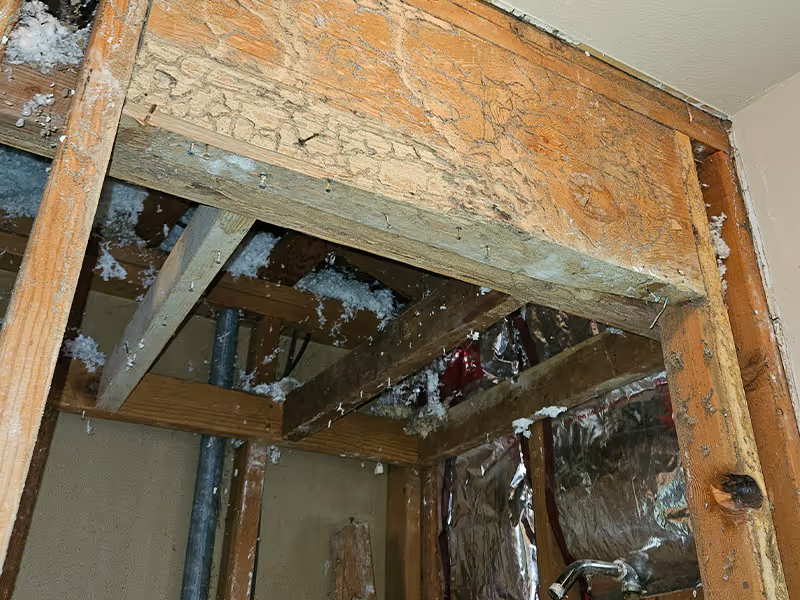
Drywood termites behave very differently. They don’t need soil contact or high moisture levels. Instead, they live entirely inside dry wood, often within walls, attic framing, trim, or furniture.
Signs of Drywood Termites
- Small piles of pellet-like droppings (called frass)
- Tiny kick-out holes in wood surfaces
- Damage to doors, window frames, baseboards, or beams
- Winged termites appearing indoors
Drywood termite colonies are smaller than subterranean ones. Because they feed entirely inside wood, their damage develops slowly, often remaining hidden for years until signs like tiny holes or droppings appear.
Key Differences Between Subterranean and Drywood Termites
Subterranean termites
- Nest underground
- Require moisture from the soil
- Build mud tubes to access homes
- Form large colonies
- Typically cause widespread structural damage
Drywood termites
- Live directly inside wood
- Do not require soil contact
- Leave behind pellet-like droppings
- Form smaller colonies
- Cause slower, more localized damage
Why Correct Identification Matters
Termite treatments are not one-size-fits-all. A solution designed for subterranean termites may not fully address a drywood infestation—and vice versa. Treating the wrong termite type can lead to:
- Incomplete control
- Continued damage
- Higher long-term repair costs
Professional inspections focus on identifying the species, locating hidden activity, and assessing risk factors specific to homes in Northern California.
How NorCal Homeowners Can Reduce Termite Risk
While no home is completely termite-proof, these steps can help lower your risk:
- Keep soil, mulch, and vegetation away from siding and wood
- Address drainage and moisture issues around foundations
- Seal cracks, gaps, and exposed wood
- Store firewood away from the home
- Schedule routine termite inspections
Early detection is one of the best ways to limit damage and avoid costly repairs.
When to Call Big Time Pest Control
If you’ve noticed signs of termite activity or simply want peace of mind, a professional termite inspection is the next step. Many termite infestations cause damage long before visible signs appear, especially in Northern California’s favorable climate.
Here at Big Time Pest Control, we offer comprehensive termite control solutions for both species of termites. We bring local knowledge and proven inspection and treatment methods to help homeowners in Anderson, Redding, Sacramento, and throughout Northern California identify termite activity early and protect their homes for the long term.
Contact us today to schedule your termite inspection!


