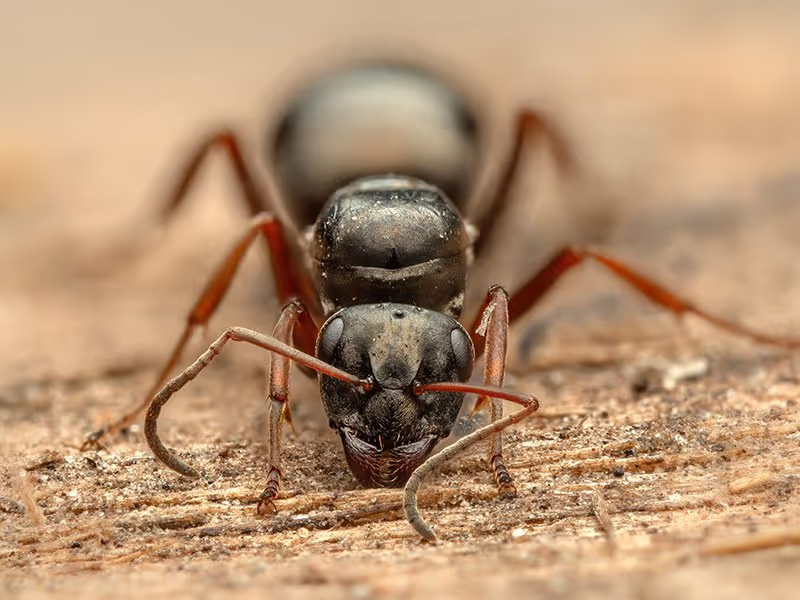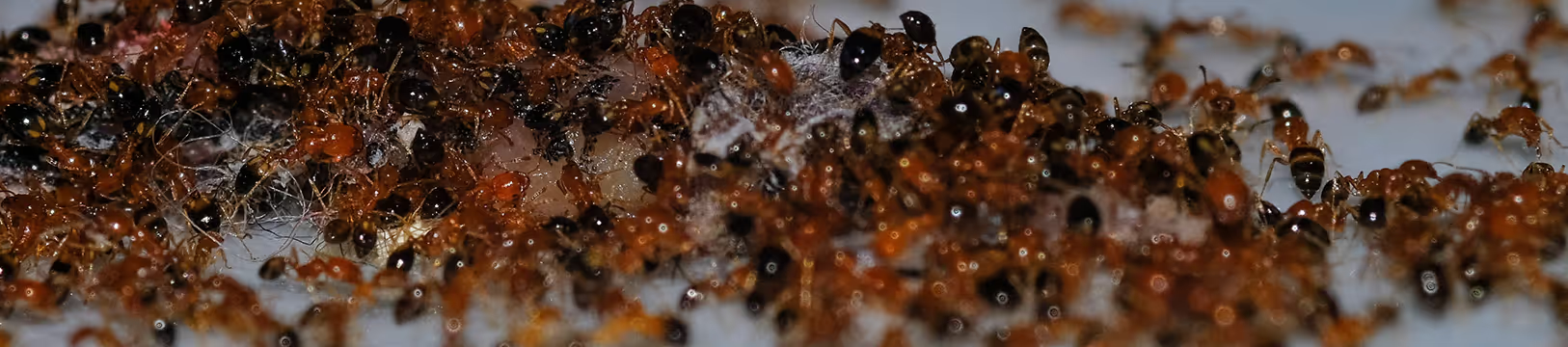
Argentine ants are one of the most common ants homeowners in Northern California deal with. They’re small—about 1/8 inch long—light to dark brown, and once they find a food source, they tend to stick around.
Argentine ants are often seen moving in steady, high-traffic trails, sometimes a few ants wide, and usually in larger numbers than other ants. If you’re seeing constant activity that doesn’t seem to slow down, there’s a good chance you’re dealing with a larger colony.
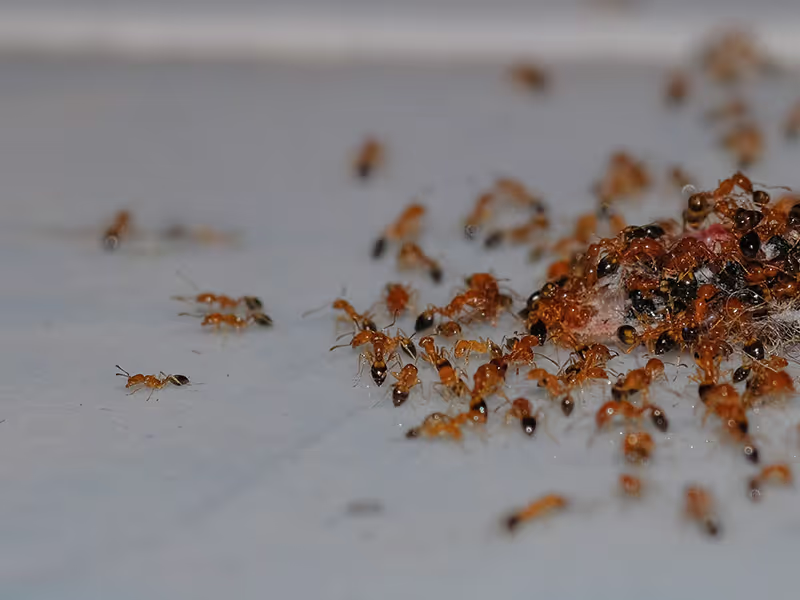
In Northern California, Argentine ants are most active during warmer months, especially in spring and summer. Activity often increases as temperatures rise or when dry conditions push them indoors in search of water.
Argentine ants typically nest outdoors in soil, mulch, or landscaping. They prefer areas with moisture, which is why they’re often found around foundations, under rocks, wood, or debris, and near irrigation lines or damp soil. From there, they make their way inside in search of food and water.
These ants are constantly searching for food and moisture. Once they find something—crumbs, spills, or even water around sinks—they leave a scent trail for the rest of the colony to follow. That’s why they tend to show up in large numbers and keep coming back.
Argentine ants are drawn to sweets, food scraps, and moisture. Inside, they’re often found around kitchens, pantries, and sinks. Outdoors, they feed on nectar and honeydew produced by other insects.
Argentine ants aren’t dangerous, but they can contaminate food and quickly become a nuisance due to their large numbers and persistence.
They can be. Argentine ants form large colonies with multiple nesting sites and spread through a process called “budding,” where the colony splits into smaller groups. Because of this, there’s rarely just one nest. Spraying the ants you see usually only deals with surface activity—not the source, which is why they tend to come back.
At Big Time Pest Control, we focus on finding where the activity is coming from and breaking the cycle—not just treating what you see. This usually means treating around the exterior where ants are entering, targeting nesting areas when possible, and using products that transfer back to the colony. During the initial service, we also address active issues inside the home as needed.
Because Argentine ants spread through multiple nesting sites, ongoing service is the most effective way to keep them under control.
Our residential pest control program includes regular exterior treatments throughout the year, along with interior service as needed, to keep ants and other common household pests out.
It’s backed by a pest-free guarantee—if a covered pest shows up between visits, we’ll come back and take care of it at no additional cost.
If you’re seeing ants around your home, it’s easier to deal with them now than later. Argentine ants don’t usually go away on their own, and because they spread quickly, early treatment can make a big difference.
Give Big Time Pest Control a call and we’ll take a look at what’s going on and help you get it under control. You can also request a quote online.
Argentine ants are most often found in kitchens, pantries, and around sinks where food and moisture are available. You may also notice them in bathrooms, along baseboards, near windows, or around doors and other entry points where they’re getting inside.
Cleaning can help reduce what’s attracting them, but it won’t eliminate the colony. If ants are already inside, there’s usually a nesting site nearby that needs to be addressed.
They can if the source isn’t fully addressed or if new colonies move into the area. That’s why one-time ant control is not a great solution. Ongoing pest control is the best way to prevent them from re-establishing.

Martin is an asset to your company! He’s very friendly and thorough and very helpful with any questions or concerns that we might have. I am very satisfied with the service he provides. Thank you to Martin and Big Time!!!!
Wayne L.
Anderson, CA

Jamie from Big Time Pest Control is the "BEST!" He calls to let me know he is on his way. He listens to any bug/rodent concerns I have, then does a very thorough treatment of my entire property! Thank you Jamie and Big Time for training your team in such a thorough manner!
Cindy Lou B.
Anderson, CA

Matt is always very thorough and willing to answer questions. He’s also the first person our dog is willing to take treats from. My dog likes you, and you get rid of my ants—that’s a win-win in my book. Thanks, Matt!
Danielle C.
Mt. Shasta, CA


Helpful Tips & Info