2. The Behaviors of a Hobo Spider
Hobo spiders usually live alone, except when they’re looking to mate. Most of the time they stay hidden, which is why people don’t notice them outdoors.
As temperatures drop, hobo spiders may wander in search of warmth. That’s when they’re more likely to show up in garages, basements, crawlspaces, and along ground-level walls.
They also don’t have great eyesight. If one runs across a floor—or even briefly across someone’s shoe or leg—it’s usually because it’s startled and trying to escape, not because it’s aggressive.
3. What Do Hobo Spiders Eat?
Hobo spiders eat houseflies, cockroaches, ants, and many other insects. They don’t climb to high heights, and therefore they are comfortable eating whatever comes at ground level. When insects land on their webs, it makes a vibration that alerts the hobo spider. Hobo spiders quickly attack the insect as the web cannot hold it for long. They don’t have any other means of survival.
4. Where Do Hobo Spiders Live?
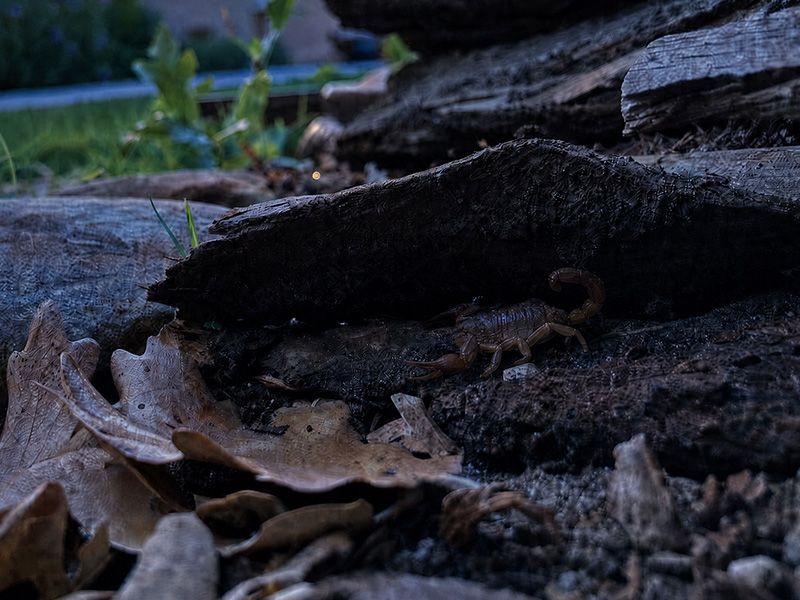
Hobo spiders prefer dry, sheltered areas close to the ground. Outdoors, that can include woodpiles, rock borders, dense ground cover, and around foundations where they can build their funnel-shaped webs.
They’re not “house spiders” in the sense that they don’t need to live indoors to survive. However, in cooler months (or when conditions outside are less favorable), they may wander inside—especially into garages, basements, and storage areas. Homes can also attract them simply because there are lights and other insects nearby (which means food).
5. Where Hobo Spiders Mate?
While a hobo spider's web serves as a prey catching material, it also serves as a mating ground. Female Hobo spiders lie on their webs the whole day waiting for the male spider to come. After mating the male spider will move on and die after a short time.
6. Are Hobo Spiders Aggressive and Poisonous?
Hobo spiders do have venom, but they’re not considered highly dangerous to most people. They’re also not aggressive by nature—they typically bite only when they feel trapped or threatened (for example, if a spider is accidentally pinned against skin, handled, or stepped on in a dark area like a garage, crawlspace, or basement).
If a bite does happen, reactions can vary. Some bites may cause little to no reaction, while others may look like a small red welt (similar to a mosquito bite) with localized swelling. In more uncomfortable cases, people may experience symptoms like nausea or feel generally unwell.
Because spider bites and skin irritation are often misidentified, the first step is making sure you’re dealing with the right spider. Many Northern California homeowners who suspect a hobo spider are actually seeing a wolf spider or another common species—use our how to tell a hobo spider from a wolf spider guide to double-check.
If you’re seeing spiders repeatedly indoors (especially along baseboards, in storage areas, or near entry points), the bigger issue usually isn’t aggression—it’s access. Sealing gaps, reducing clutter, and addressing the insect activity that attracts spiders can make a big difference.
If you have concerns about a bite reaction or you’re noticing frequent spider activity inside your home, it’s worth getting a professional inspection—especially if you’re in Northern California and want a clear plan to reduce indoor spiders safely and effectively.
7. How Many Legs Do Hobo Spiders Have?
Hobo spiders have eight legs like any other spider. However, their legs are distinct from others because they protrude outwards while curving upwards at a knee joint.
8. How Big Are Hobo Spiders?
Hobo spiders are often described two ways—by body length and by leg span:
- Body length: about 10–14 millimeters
- Leg span (overall size when legs are extended): up to about 40–50 millimeters
Females are typically a bit larger-bodied than males.
How to Control Spiders (Including Hobo Spider Lookalikes) in Northern California
Good housekeeping helps reduce indoor spiders, but long-term control usually comes down to reducing hiding spots, limiting the insects spiders feed on, and sealing entry points. Spiders typically come inside for shelter—and because other bugs are available to eat—so the goal is to make your home less inviting and harder to access.
Start with the basics:
- Reduce clutter in garages, basements, and storage areas.
- Remove webs, egg sacs, and resting spiders with a vacuum or duster.
- Cut down on other insects (their food source) by addressing moisture issues and keeping kitchens and pet-food areas clean.
For longer-lasting prevention, focus on exclusion:
- Seal gaps around doors, windows, and utility penetrations.
- Repair screens and add door sweeps where needed.
- Keep vegetation, woodpiles, and stored items away from the foundation when possible.
If you’re seeing spiders regularly indoors, it usually means there’s an entry point, a harborage area, or steady insect activity nearby. That’s exactly what our residential pest control services are built for—proactive, year-round protection that helps prevent the pests that attract spiders in the first place.
At Big Time Pest Control, we help Northern California homeowners, including those in Redding, Anderson, and Sacramento, identify what’s actually going on and take care of it with a clear plan—often combining targeted treatments, web/harborage reduction, and practical exclusion recommendations. If you want to get started right away, you can request an instant spider control quote.
Originally published May 29, 2024. Updated March 2026.